


-

Add: HeBei ShengShi HongBang Cellulose Technology CO.,LTD.
-

Email
13180486930@163.com -

CONTACT US
+86 13180486930

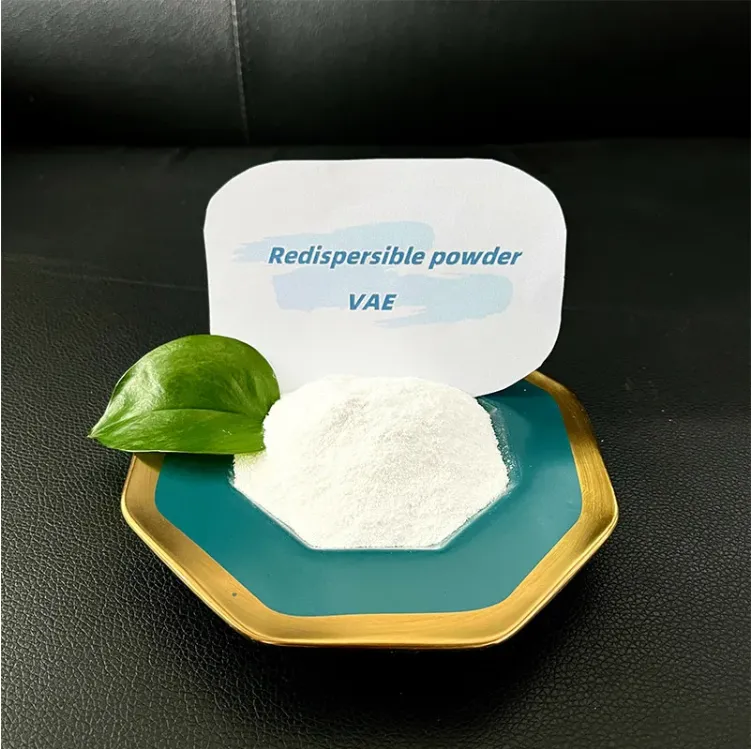



Hydroxyethyl starch (HES) has surged into focus as a powerful tool within the medical and healthcare field, specifically in fluid resuscitation therapies. Over the years, its application has generated considerable discussion among medical professionals, highlighting its dual nature as both a valuable resource and a product to be used with caution. This comprehensive exploration of hydroxyethyl starch examines its various uses, backed by practical insights, medical expertise, authoritative sources, and the overarching framework of trust that governs its application. Experience suggests that Hydroxyethyl starch serves primarily as a colloid solution in fluid replacement . Its prime application is in treating hypovolemia—where there is an inadequate volume of blood plasma, usually due to acute blood loss during surgeries or traumatic injuries. Medical professionals have found it advantageous because HES solutions can expand the plasma volume significantly, restoring blood pressure efficiently and maintaining hemodynamic stability in patients. This effect is particularly beneficial in emergency care settings, where rapid volume restitution is crucial. From the perspective of expertise, hydroxyethyl starch solutions are synthesized from amylopectin, a component derived from maize or potatoes, and possess certain unique chemical properties. They are classified based on molecular weight and degree of substitution, which influences their pharmacokinetics and dynamics. For example, high molecular weight HES solutions with a high degree of substitution tend to have longer circulation times, which can be advantageous or disadvantageous depending on clinical needs. Understanding these intricate details is pivotal for healthcare providers to optimize patient outcomes, showcasing the depth of professional knowledge required to utilize HES effectively. An authoritative examination of hydroxyethyl starch is incomplete without acknowledging its scrutinized safety profile. Clinical studies and regulatory bodies like the FDA and EMA have placed stringent guidelines on its use due to potential associations with increased risk of kidney injury and bleeding complications, particularly in critically ill patients. Thus, its administration is often restricted to specific scenarios and patient populations. Healthcare professionals are advised to balance these risks against the benefits, highlighting the necessity of robust clinical judgment and adherence to established medical guidelines. hydroxyethyl starch uses Trustworthiness in the use of hydroxyethyl starch not only aligns with established medical guidelines but also with informed patient consent and transparent healthcare practices. The contextual sensitivity of HES administration, especially in critical care units, requires transparent communication with patients or their guardians about potential risks and benefits. This practice reinforces trust, a cornerstone of ethical medical treatment and patient care. While the application of hydroxyethyl starch is prevalent in surgical and emergency care environments, its use is supported by a slew of clinical experiences and empirical evidence. Controlled studies document its efficacy in stabilizing hemodynamics when used correctly, with consistent patient monitoring to prevent adverse reactions. Furthermore, peer-reviewed publications and clinical guidelines from organizations such as the Society of Critical Care Medicine validate the established protocols governing its use, reinforcing HES's role within therapeutic inventories. In conclusion, hydroxyethyl starch stands as a testament to both the advancements and challenges inherent in modern medical therapeutics. Its utility in expanding plasma volume and stabilizing patients during acute medical events is well-recognized in clinical circles, yet its administration is bounded by specific safety considerations that demand high levels of expertise and authority. Trustworthiness in its application is nurtured through informed consent, rigorous adherence to clinical guidelines, and ongoing research to further our understanding of its effects. As with many medical interventions, the discerning use of hydroxyethyl starch exemplifies a balanced approach to innovation in medicine, ensuring patient safety and healthcare efficacy remain paramount.
- 40000tons

Production
- 20+years

Experience
- 5000+㎡

Acreage

-

Natural rubber powder, an innovative material derived from natural rubber, is rapidly gaining attention across multiple industries for its versatile characteristics. Its unique properties make it a popular choice for manufacturing a wide range of products, from eco-friendly tires to high-performance adhesives. This article delves into the experience, expertise, authoritativeness, and trustworthiness that surround the production and application of natural rubber powder, emphasizing its growing significance in today's product landscapes. The journey of natural rubber powder begins with harvesting latex from rubber trees, primarily found in tropical regions such as Southeast Asia. This latex is coagulated and processed into fine rubber particles . The experience of manufacturers who have mastered the art of processing and refining natural rubber is evident in the consistent quality and performance of the resulting powder. These manufacturers leverage decades of expertise to ensure the rubber retains its essential properties while being transformed into a more versatile form. Experts in materials science and engineering have extensively studied natural rubber powder for its potential applications. They highlight its excellent elasticity, resilience, and biodegradability—qualities that are crucial for developing sustainable products. Natural rubber powder's ability to blend with other materials without losing its core properties is a testament to the product's engineering excellence. This expertise in formulation allows industries to tailor products to meet specific performance criteria, driving innovation in sectors like automotive, aerospace, and construction. For industries that rely on high-quality materials, trust in natural rubber powder is underpinned by its proven track record. Rigorous testing and industry certifications ensure that the powder meets international standards for safety and performance. Companies utilizing natural rubber powder can assure their consumers about the durability and reliability of their products. This assurance extends to environmental impact too, as natural rubber powder is a more sustainable alternative to synthetic materials, fostering trust among environmentally conscious consumers. natural rubber powder The authority of natural rubber powder as a material solution is reinforced by ongoing research and development. Leading universities and research institutions continue to publish studies and reports that underscore the material's advantages and potential for future applications. This authoritative backing is crucial for industries considering a shift towards more sustainable practices, providing them with the confidence to integrate natural rubber powder into their supply chains. Trustworthiness further extends into the transparency of the supply chain. Ethical sourcing of natural rubber, complying with fair trade practices, and maintaining a low carbon footprint contribute to the credibility of natural rubber powder as a responsible choice. Manufacturers who prioritize these values are leading the charge in setting new benchmarks for sustainability, urging others in the industry to follow suit. In conclusion, natural rubber powder is emerging as a vital component across various industries, leveraging its experience and expertise in production to establish itself as a reliable material. Its authoritative voice is echoed through comprehensive research and a commitment to sustainability, building trust with both consumers and businesses. As industries globally pivot towards greener alternatives, natural rubber powder stands poised to play a formidable role in shaping the future of manufacturing.
-
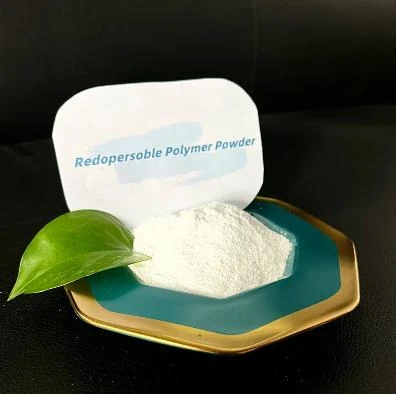
The evolution of modern construction materials has positioned starch ether as an indispensable component in high-performance mortar systems. As bulk manufacturers prioritize sustainable and efficient solutions, specialized modified starch types – particularly hydroxyethyl starch – deliver exceptional water management, enhanced workability, and environmental advantages. This article examines how industrial-scale integration of starch ether for construction transforms production economics while meeting rigorous performance standards across global markets. Fundamental Properties of Modified Starch in Mortar S tarch Starch ether for construction fundamentally alters mortar behavior through sophisticated molecular interactions. Unlike conventional additives, hydroxyethyl starch establishes hydrogen bonding networks that dramatically improve water retention capabilities – essential for complete cement hydration in demanding applications. The modified starch creates colloidal protective films that effectively regulate moisture migration without interfering with setting mechanisms. This unique characteristic ensures consistent performance across diverse cement chemistries and environmental conditions. The inherent thermal stability of specialized modified starch types maintains critical viscosity parameters even in high-temperature production environments. Bulk formulators leverage these properties to develop optimized systems where starch ether demonstrates superior adhesion in lightweight plasters. The molecular interaction between hydroxyethyl starch and inorganic fillers prevents delamination issues while providing exceptional sag resistance in vertical applications. Strategic Sourcing of Industrial-Grade Starch Ether Securing consistent starch ether for construction requires establishing technical partnerships with specialized producers. Industrial buyers prioritize botanical traceability – whether corn, potato, or tapioca-derived – to ensure predictable modification outcomes and performance consistency. Leading suppliers offer tailored etherification parameters that address regional climatic challenges, providing modified starch types engineered for specific humidity and temperature profiles. Comprehensive third-party certifications covering substitution characteristics guarantee material consistency across production batches. Progressive suppliers accommodate container-scale quantities of hydroxyethyl starch with specialized moisture-resistant packaging – critical for maintaining performance integrity in tropical distribution chains. Consolidated procurement of the modified starch across multiple product categories enables significant economies of scale while simplifying quality assurance protocols. Technical validation documents demonstrating starch ether for construction performance in sustainable formulations further assist bulk buyers in navigating evolving regulatory landscapes across international markets. Cross-Application Performance Synergies of Starch Ether Starch ether creates powerful formulation bridges across diverse construction material categories. Hydroxyethyl starch originally developed for tile adhesive applications demonstrates remarkable cohesion enhancement in self-leveling underlayments. Specialized modified starch types engineered for exterior render formulations significantly improve workability characteristics in spray-applied mortars. When incorporated into repair compounds, starch ether for construction effectively reduces material rebound during machine application processes. Bulk manufacturers achieve substantial raw material optimization by standardizing the modified starch across their entire product portfolio. Documented implementations reveal how hydroxyethyl starch successfully replaces synthetic additives in specific formulations while maintaining structural integrity – particularly advantageous in markets prioritizing cost efficiency without performance compromise. Economic Transformation Through Starch E ther Integration Strategic implementation of starch ether for construction delivers transformative production economics. Modified starch types present significant cost advantages compared to alternative additives with similar functional profiles. The exceptional water management capabilities of hydroxyethyl starch enable formulation water reduction, generating substantial savings in raw material transportation. Simplified dispersion characteristics of starch ether significantly decrease energy consumption during industrial mixing operations. Bulk procurement specialists negotiate advantageous pricing structures for large-scale the modified starch acquisitions, with progressive suppliers offering application-specific modified starch types that reduce required dosage rates while maintaining performance benchmarks. The inherent biodegradability profile of hydroxyethyl starch additionally reduces environmental compliance burdens and waste management costs. FAQs: Industrial Application of Starch Ether How does starch ether enhance mortar workability compared to alternatives? Starch ether develops distinctive rheological properties that deliver superior troweling characteristics while maintaining essential anti-sag performance, making hydroxyethyl starch particularly valuable for vertical applications. What procurement scales are available for industrial starch ether? Standard modified starch types typically feature container-scale procurement options, with flexible customization possibilities for specialized starch ether for construction variants. Can hydroxyethyl starch substitute traditional additives in tile applications? Hydroxyethyl starch demonstrates comparable water retention performance at significant substitution levels in starch ether -modified thin-set mortars, with enhanced open time in challenging climates. How does the modified starch influence mortar curing dynamics? Properly engineered the modified starch extends critical working windows without delaying final set characteristics, as advanced modification processes prevent sugar interference with hydration chemistry. Which certifications ensure starch ether performance consistency? Internationally recognized testing protocols for substitution characteristics, purity parameters, and viscosity stability guarantee starch ether for construction performance integrity across production batches.
advantages
-

200000 Viscosities
Excellent product
We can produce pure products up to 200,000 viscosities
-

40000 tons
High yield
We don’t stop production all year round, and the annual output can reach 40,000 tons
-

24 hours
Quality service
We provide 24-hours online reception service, welcome to consult at any time
———— Inquiry Form
Schedule A services
-
 five_synthetic_fibre
Oct . 25, 2025
Hydroxypropyl methylcellulose (HPMC) is gaining attention in the haircare industry for its multiface -
 pati_eter_untuk_mortar_kering
Oct . 25, 2025
Hydroxypropyl Methylcellulose (HPMC), widely recognized in industrial and pharmaceutical sectors, ha -
 hpmc_solubility_in_isopropyl_alcohol
Oct . 25, 2025
Starch ether is a versatile and eco-friendly compound derived from natural starch sources, widely us


